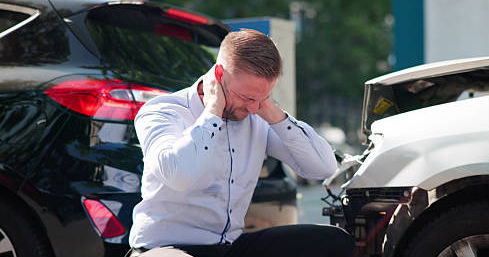
Why Do I Have Headaches After a Car Accident? Causes, Symptoms & Recovery in Multnomah County, OR
A car accident can leave you feeling shaken, sore, and overwhelmed. Even if you walk away from the collision without obvious injuries, you may begin experiencing headaches hours or days afterward. These headaches can range from mild discomfort to persistent pain that interferes with work, sleep, and everyday activities.
For individuals involved in car accidents throughout Multnomah County, Oregon, headaches are an important symptom that shouldn't be ignored. Whether the collision occurred in Portland, Gresham, Troutdale, or another nearby community, sudden forces during a crash can affect the head, neck, and surrounding tissues.
Headaches after a car accident can develop for several reasons, including whiplash-related neck injuries, muscle strain, concussions, and other conditions. While some symptoms improve with time and appropriate treatment, others require prompt medical evaluation.
Understanding the possible causes of headaches after a car accident in Multnomah County can help you recognize warning signs, seek appropriate medical care, and make informed decisions about recovery.
Is It Normal to Have a Headache After a Car Accident?
Headaches can occur after motor vehicle collisions, but they should not automatically be considered harmless.
During an accident, rapid changes in speed and direction can cause the head and neck to move suddenly. This movement may place stress on muscles, ligaments, joints, and other structures.
A headache may begin immediately after the collision or develop later.
The Centers for Disease Control and Prevention (CDC) explains that symptoms of a mild traumatic brain injury or concussion may not become noticeable until hours or days after an injury.
Because headaches can have several possible causes, medical evaluation is important, particularly after a head impact or when symptoms are new, persistent, or worsening.
1. Whiplash Injuries Can Cause Headaches
Whiplash is a neck injury associated with rapid back-and-forth movement of the head and neck.
It frequently occurs during rear-end collisions but can develop following other types of motor vehicle accidents.
The sudden movement may injure muscles, ligaments, and other tissues in the cervical spine.
What Does a Whiplash Headache Feel Like?
Whiplash-related headaches often begin near the base of the skull and may spread toward the back or sides of the head.
Additional symptoms can include neck stiffness, shoulder discomfort, reduced neck mobility, and pain that increases with certain movements.
For people experiencing whiplash headaches after a car accident in Portland, Oregon, a qualified healthcare professional can evaluate whether neck-related injuries are contributing to the symptoms.
However, headaches and neck pain after a collision should not automatically be diagnosed as whiplash. Other injuries, including concussion, may cause overlapping symptoms.
2. Concussions and Mild Traumatic Brain Injuries
A concussion is a type of traumatic brain injury that may occur when a sudden impact or jolt causes the brain to move rapidly within the skull.
A direct blow to the head isn't always necessary. The forces involved in a collision can sometimes cause a concussion even without obvious external injuries.
Common Concussion Symptoms
A headache following a concussion may occur alongside dizziness, nausea, sensitivity to light or noise, fatigue, difficulty concentrating, or changes in sleep patterns.
Some individuals also experience memory difficulties or a sensation commonly described as brain fog.
If you suspect a concussion after a car accident in Multnomah County, seek prompt medical evaluation.
Concussions cannot be reliably diagnosed based on headache symptoms alone, and other potentially serious injuries must sometimes be ruled out.
3. Neck Muscle Strain and Tension-Related Headaches
The physical forces involved in a car accident can strain muscles surrounding the neck, shoulders, and upper back.
After a collision, muscle pain and stiffness may contribute to headaches or make existing headache disorders worse.
Some people experience a dull, pressing sensation around the head, while others notice discomfort associated with neck movement or prolonged sitting.
Why Neck Injuries Can Affect the Head
The muscles and nerves of the upper neck are closely connected to structures involved in certain headache patterns.
Pain originating from the cervical spine may be perceived in the head.
This is sometimes described as a cervicogenic headache, although a clinical assessment is necessary to establish the cause.
For individuals seeking evaluation of post-accident neck pain and headaches in Gresham or Portland, healthcare providers may assess neck movement, muscle tenderness, neurological symptoms, and other findings.
Treatment should be selected only after potentially serious injuries have been considered.
4. Post-Traumatic Headaches
A post-traumatic headache is a headache that develops following an injury to the head or neck.
These headaches may resemble migraine or tension-type headaches, making it difficult to identify the underlying cause based only on how the pain feels.
Some people experience throbbing pain, nausea, or sensitivity to light. Others describe pressure, tightness, or persistent discomfort.
How Long Do Post-Traumatic Headaches Last?
Recovery varies depending on the injury and individual circumstances.
Some post-traumatic headaches improve over days or weeks. Others persist and require additional evaluation or treatment.
Headaches that continue, recur frequently, or interfere with normal activities should be discussed with a healthcare professional.
A persistent headache should not simply be attributed to stress without an appropriate assessment.
5. Stress, Sleep Disruption, and Changes in Daily Activity
A motor vehicle accident can be both physically and emotionally stressful.
Following a collision, some individuals experience disrupted sleep, anxiety, muscle tension, or difficulty returning to their normal routines.
These factors may contribute to headaches or intensify existing symptoms.
However, emotional stress should not be assumed to explain a new headache following an accident until injury-related causes have been considered.
For car accident injury patients in Multnomah County, Oregon, a comprehensive evaluation may include both physical symptoms and changes in sleep, concentration, or emotional well-being.
Why Do Headaches Sometimes Start Days After a Car Accident?
Not every accident-related symptom appears immediately.
The CDC notes that concussion symptoms may develop or become noticeable hours or days after an injury.
Neck pain and stiffness associated with whiplash can also begin after a delay.
This means someone may initially feel relatively normal after a collision but notice headaches, dizziness, or neck discomfort later.
Delayed symptoms do not necessarily indicate a severe injury, but they still deserve attention.
If a new headache develops after a car accident, especially with head impact or other symptoms, arrange a timely medical assessment.
When Is a Headache After a Car Accident an Emergency?
Certain headache symptoms following a collision may indicate a serious injury requiring immediate medical attention.
Call 911 or go to an emergency department immediately if you experience:
- A headache that continues worsening and does not go away
- Repeated vomiting
- Seizures or convulsions
- Slurred speech or unusual behavior
- New weakness, numbness, or poor coordination
- Increasing confusion or difficulty recognizing people
- Unequal pupil sizes or new double vision
- Loss of consciousness or difficulty staying awake
These symptoms can indicate a potentially serious brain injury or another medical emergency.
A sudden, unusually severe headache after trauma also warrants emergency assessment.
Individuals taking blood-thinning medications should seek urgent medical guidance after a head injury because bleeding risks may be higher.
Do not delay emergency medical care to schedule chiropractic, physical therapy, or other routine outpatient treatment.
How Are Headaches After a Car Accident Evaluated?
Medical evaluation begins with understanding how the collision occurred and when symptoms started.
A healthcare professional may ask whether your head struck an object, whether you lost consciousness, and whether you experienced dizziness, nausea, neck pain, or confusion.
Physical and Neurological Examination
Depending on the symptoms, the clinician may evaluate neck movement, muscle tenderness, balance, coordination, strength, sensation, and other neurological findings.
These findings help determine whether additional testing is necessary.
Do You Need an MRI or CT Scan?
Not every headache after a collision requires imaging.
A clinician may recommend a CT scan or other testing when the injury history, examination, or symptoms raise concern for bleeding, fractures, or other serious conditions.
Imaging decisions should be based on medical assessment rather than the presence of a headache alone.
How Are Post-Accident Headaches Treated?
Treatment depends on the underlying cause.
A headache related to neck muscle strain may require a different approach from one associated with a concussion, migraine-like symptoms, or another condition.
Medical Management
A healthcare provider may recommend appropriate pain management, activity modifications, monitoring, or referral to a specialist.
Medication recommendations should account for the patient's medical history and whether a head injury has been ruled out.
Physical Rehabilitation
For certain neck-related injuries, rehabilitation may include guided exercises, gradual restoration of movement, and other appropriate interventions.
Treatment should be individualized based on the diagnosis and the patient's tolerance.
Recovery Following a Concussion
The CDC generally recommends a brief period of relative rest after mild traumatic brain injury, followed by a gradual return to light activities as tolerated and directed by a healthcare professional.
Prolonged complete inactivity is not routinely recommended.
If symptoms increase with activity, the activity may need to be reduced temporarily.
Chiropractic Care for Neck-Related Symptoms
Some individuals with neck pain after a collision consider chiropractic care as part of their treatment plan.
However, headaches following a car accident should first be evaluated for concussion, fracture, vascular injury, and other potentially serious causes when clinically indicated.
Neck manipulation or other manual treatment is not appropriate for every injury, particularly when serious trauma-related conditions have not been excluded.
The safest treatment approach depends on an accurate diagnosis and appropriate medical clearance.
How Long Should Headaches Last After a Car Accident?
There is no single recovery timeline.
The duration of symptoms depends on the type and severity of injury, previous medical conditions, and individual recovery.
Many people with mild traumatic brain injuries improve over the following weeks, although some experience symptoms for longer.
The CDC advises speaking with a healthcare professional when concussion symptoms do not resolve within two to three weeks or worsen after returning to regular activities.
Persistent headaches may warrant additional evaluation or referral.
Car Accident Headache Evaluations in Multnomah County, Oregon
Multnomah County includes Portland, Gresham, Troutdale, Fairview, Wood Village, and surrounding communities.
Motor vehicle accidents can occur on major routes such as Interstate 84, Interstate 205, Interstate 5, and busy local roadways throughout the Portland metropolitan area.
Regardless of where a collision occurs, medical evaluation should focus on the individual's symptoms rather than the accident location.
For individuals experiencing headaches after a car accident in Portland, Gresham, or Troutdale, timely assessment can help identify potential head or neck injuries and establish an appropriate recovery plan.
If an emergency warning sign is present, seek emergency medical care immediately.
Frequently Asked Questions About Headaches After Car Accidents
Why Do I Have a Headache After a Car Accident if I Didn't Hit My Head?
A headache can occur after a collision without direct head impact.
Rapid movement of the head and neck may cause whiplash-related injuries or a concussion.
A healthcare professional can evaluate the possible cause.
Can Whiplash Cause Headaches Days After an Accident?
Yes. Whiplash symptoms may develop within days of the injury.
Headaches, neck stiffness, and reduced mobility are among the possible symptoms.
However, delayed headaches can also have other causes and should be assessed.
How Do I Know if My Headache Is From a Concussion?
Concussions may cause headaches alongside dizziness, nausea, light sensitivity, concentration difficulties, or unusual fatigue.
Symptoms alone cannot confirm the diagnosis.
Seek medical evaluation if you suspect a concussion.
Are Headaches After a Rear-End Collision Serious?
They can be.
A rear-end collision may cause neck strain or other injuries, but more serious conditions are also possible.
New, persistent, or worsening headaches should be evaluated appropriately.
Should I See a Doctor for a Headache After a Car Accident?
Yes, particularly if the headache is new, persistent, associated with head or neck injury, or accompanied by other symptoms.
Emergency warning signs require immediate medical attention.
Can Physical Therapy Help With Headaches After a Car Accident?
Physical therapy may be helpful for certain diagnosed neck-related conditions.
However, treatment should follow an appropriate evaluation, especially when concussion or another serious injury is possible.
What if My Headache Isn't Improving?
If your headache persists or worsens, contact your healthcare provider.
You may need further evaluation, changes to your treatment plan, or referral to an appropriate specialist.
If emergency warning signs develop, seek emergency care immediately.
Get Evaluated for Headaches After a Car Accident in Multnomah County, OR
Headaches following a car accident may be associated with whiplash, concussion, muscle strain, or other injuries. Although some symptoms improve with appropriate care, persistent or worsening headaches should never be dismissed.
For individuals involved in motor vehicle accidents throughout Multnomah County, including Portland, Gresham, Troutdale, Fairview, and Wood Village, understanding the possible causes of post-accident headaches is an important part of making informed healthcare decisions.
If you're experiencing headaches, neck pain, dizziness, or other symptoms following a collision, seek an evaluation from a qualified healthcare professional.
Early assessment can help identify injuries that require medical treatment and establish appropriate next steps for recovery.
Schedule a medical evaluation for persistent headaches or other symptoms following a car accident in Multnomah County, Oregon.